
Preserving Cultural Heritage: The Importance of Framing Aboriginal Art in Australia
Aboriginal art is one of the oldest continuous artistic traditions in the world, embodying the deep cultural and spiritual connections of Indigenous Australians to their land, ancestors, and community. These artworks, often rich in symbolism and storytelling, hold immense significance not only as cultural artifacts but also as powerful expressions of identity and heritage. As such, the conservation and preservation of Aboriginal art are paramount, and framing plays a crucial role in safeguarding these treasures for future generations.

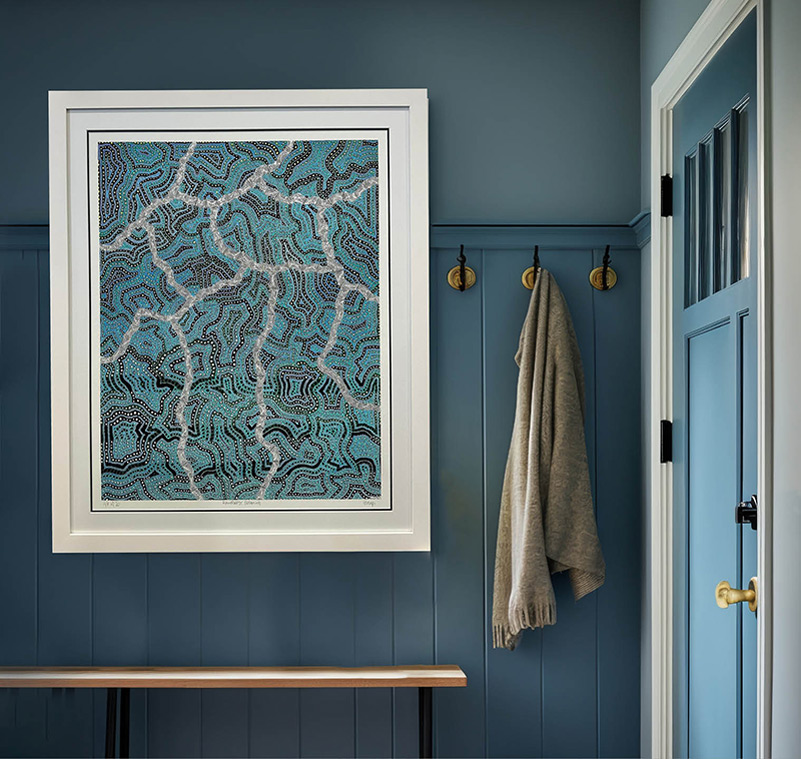
Understanding the Significance of Aboriginal Art
Aboriginal art is more than just a visual expression; it is a medium through which stories, laws, and traditions are passed down through generations. Each piece, whether it is a painting, sculpture, or ceremonial object, carries with it the history, beliefs, and knowledge of the artist’s community. The use of natural materials, such as ochres, resins, and bush dyes, reflects a deep connection to the land and its resources. This intrinsic bond between the artwork and the environment is central to the meaning and value of Aboriginal art.
The themes depicted in Aboriginal art often include Dreamtime stories, which describe the creation of the world and the origins of life. These stories are not just historical narratives but living traditions that continue to influence and guide the community. The symbols and patterns used in Aboriginal art are highly symbolic, with each element representing specific aspects of the natural world, social relationships, or spiritual beliefs.
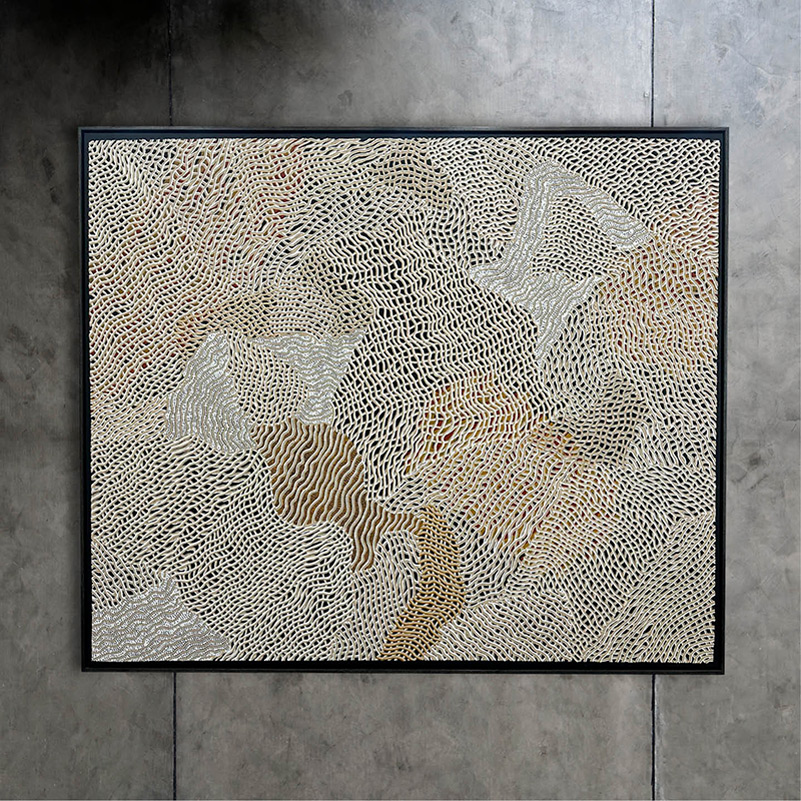
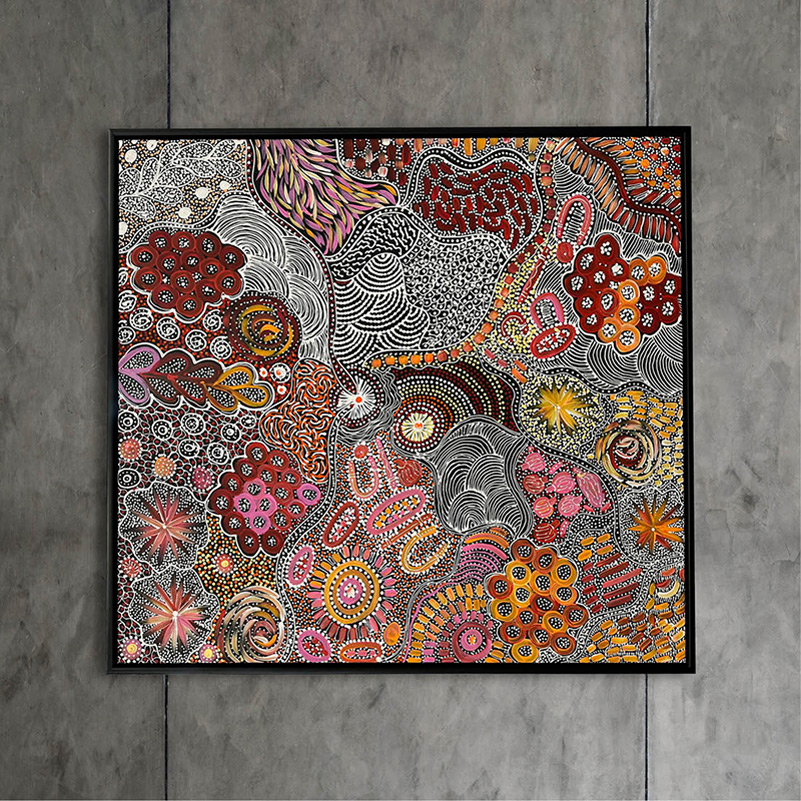
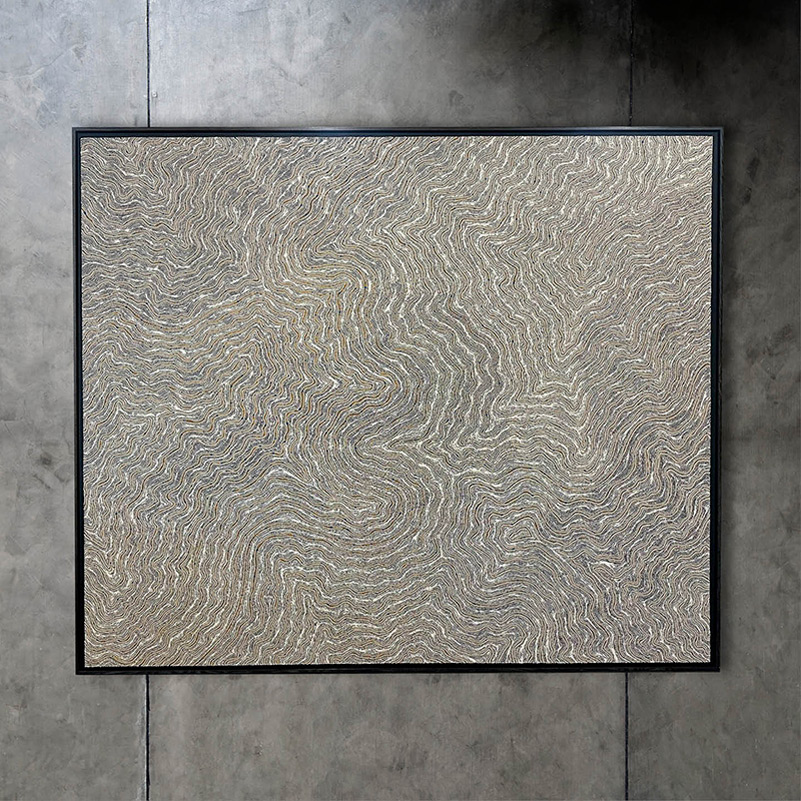
The Role of Framing in Conservation
Given the cultural and historical importance of Aboriginal art, preserving its integrity is essential. Framing is a key aspect of this preservation process, providing both physical protection and a means to display the artwork in a way that respects its cultural significance.
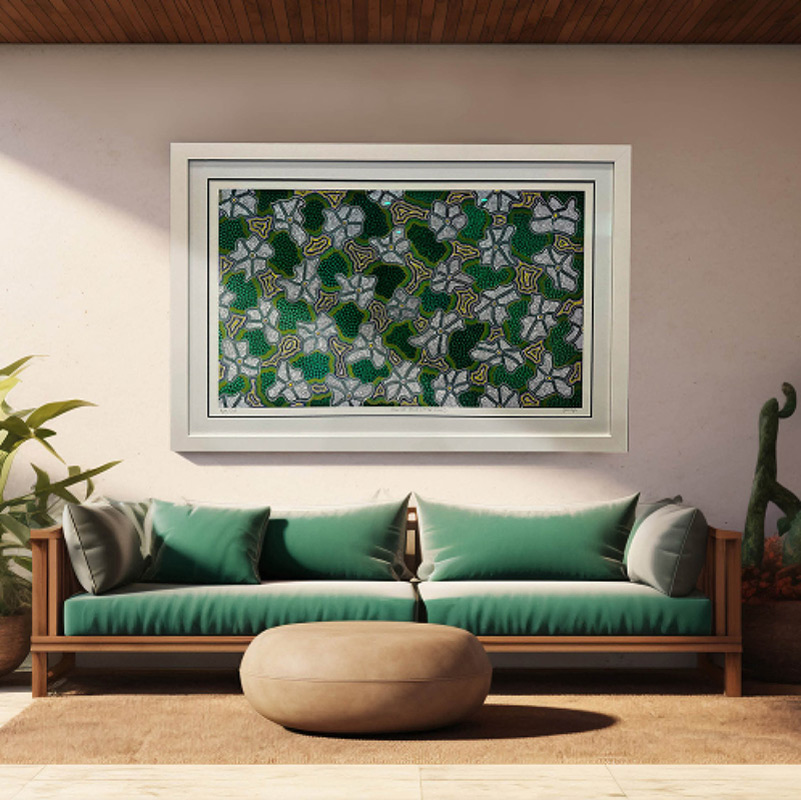
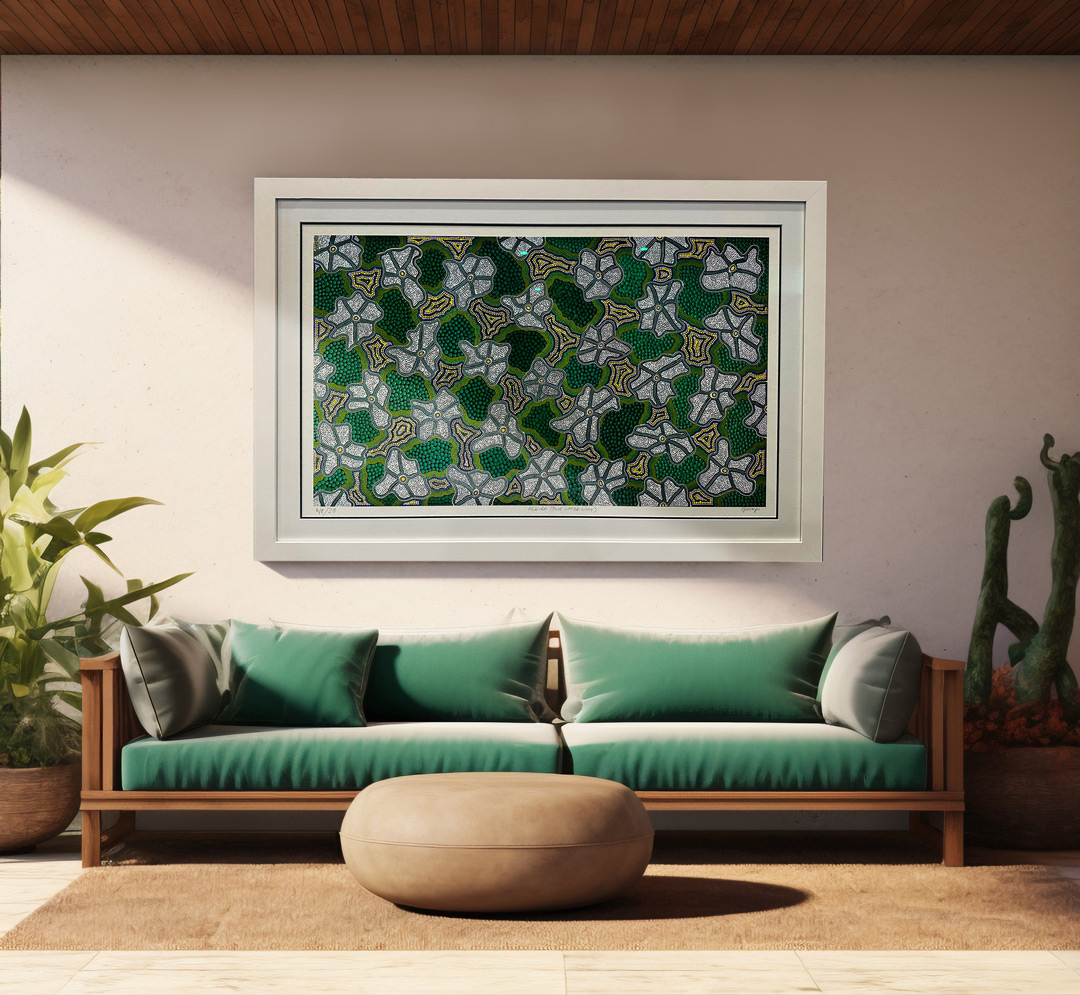
One of the primary reasons for framing Aboriginal art is to protect it from environmental factors that can cause deterioration. Many Aboriginal artworks are created using natural pigments and materials, which can be particularly vulnerable to damage from light, humidity, and temperature fluctuations. UV-protective glass, acid-free matboards, and archival-quality materials are essential components of a conservation-grade frame, helping to shield the artwork from harmful elements and extend its lifespan.
In addition to environmental protection, proper framing also prevents physical damage to the artwork. Aboriginal paintings, especially those on canvas or bark, can be susceptible to warping, tears, and other forms of wear over time. A well-designed frame provides structural support, ensuring that the artwork remains intact and stable.

Respecting Cultural Context
When framing Aboriginal art, it is important to consider the cultural context of the piece. This means working closely with the artist or their representatives to understand the significance of the artwork and the appropriate way to present it. The choice of frame, matboard, and even the method of mounting should be made with respect for the cultural traditions and preferences of the artist.
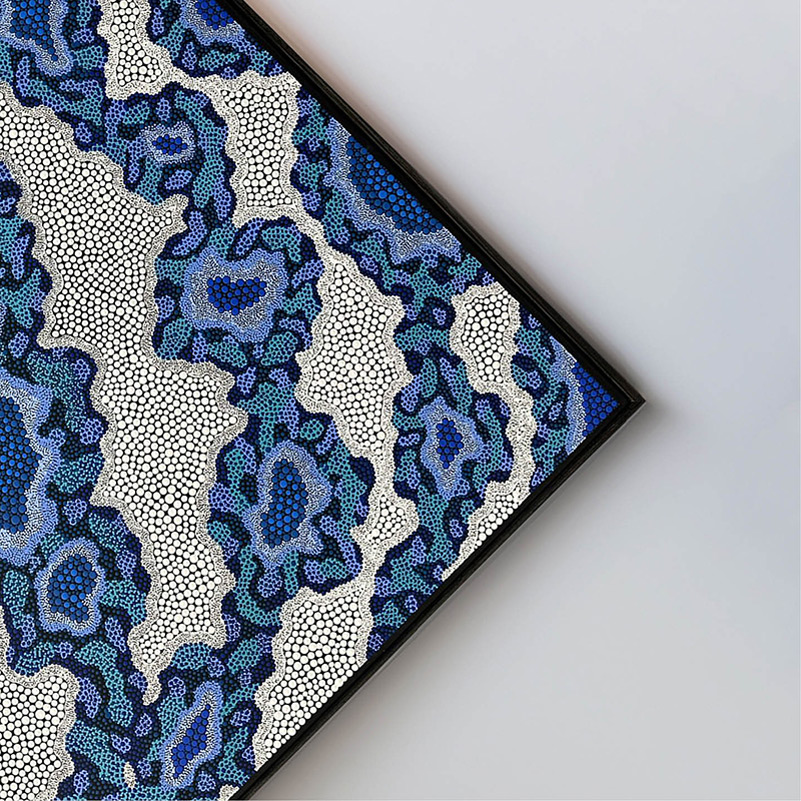
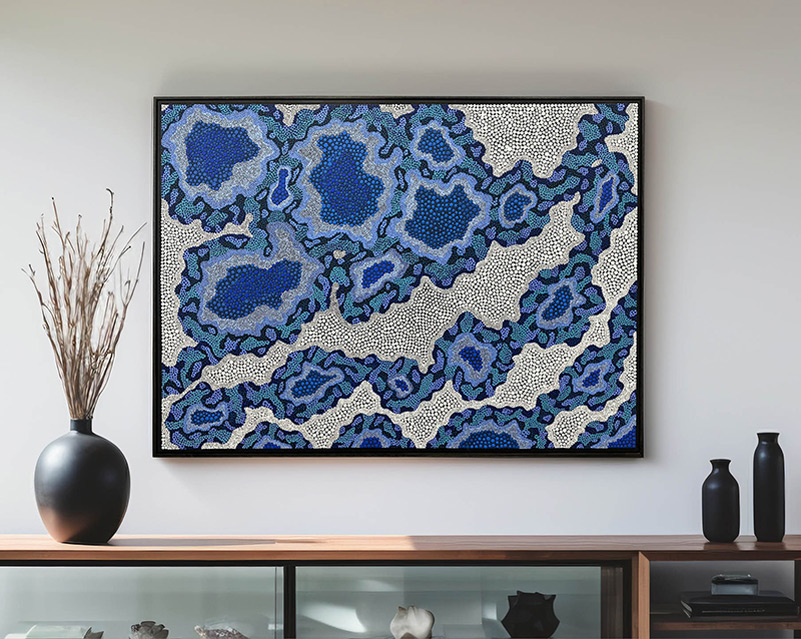
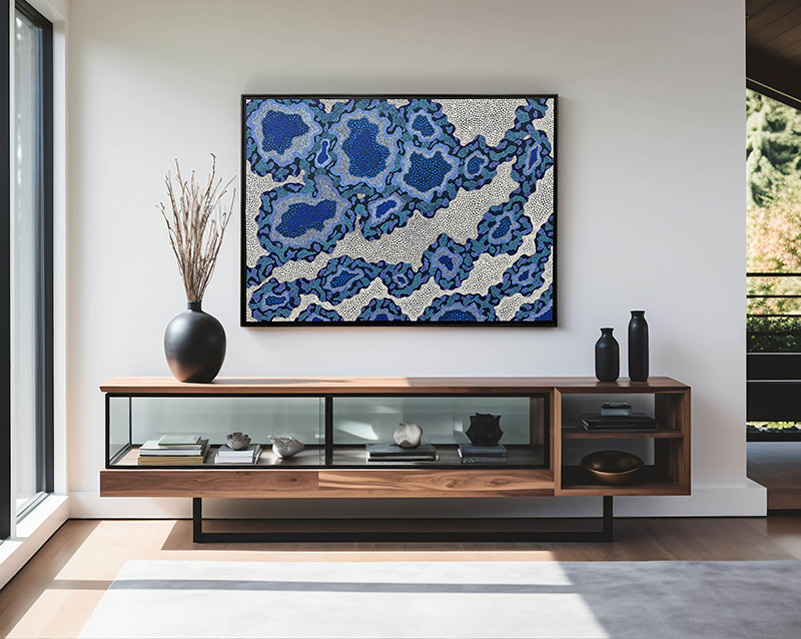
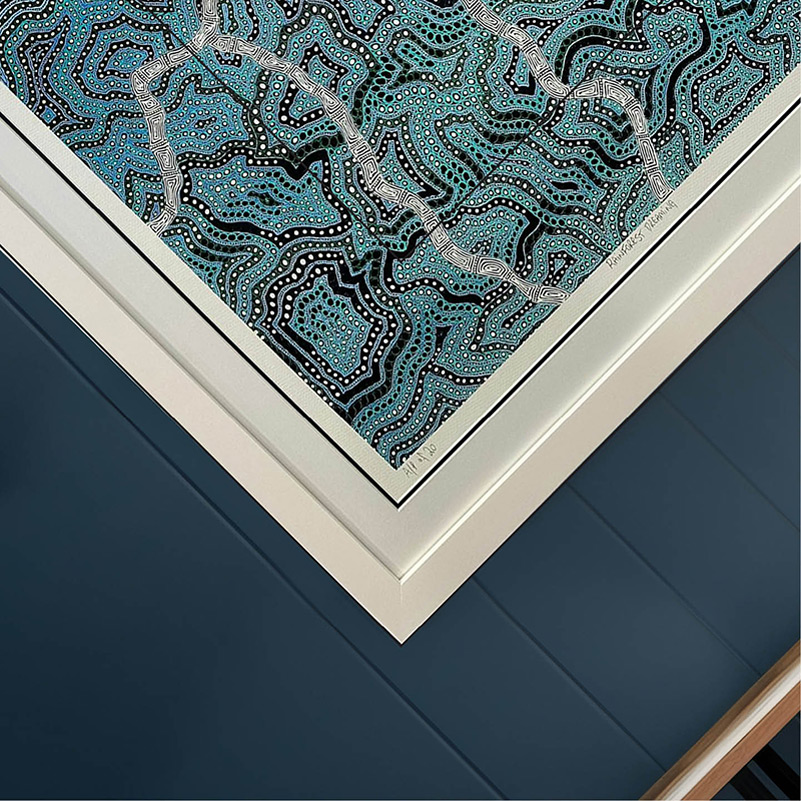
For example, the use of natural wood frames or earth-toned matboards can complement the organic materials and themes often found in Aboriginal art, creating a harmonious presentation that honors the artwork’s origins. Additionally, framing techniques that avoid direct contact with the artwork, such as floating or shadow box framing, can be used to protect the piece while maintaining its original form and texture.


The Importance of Professional Framing Services
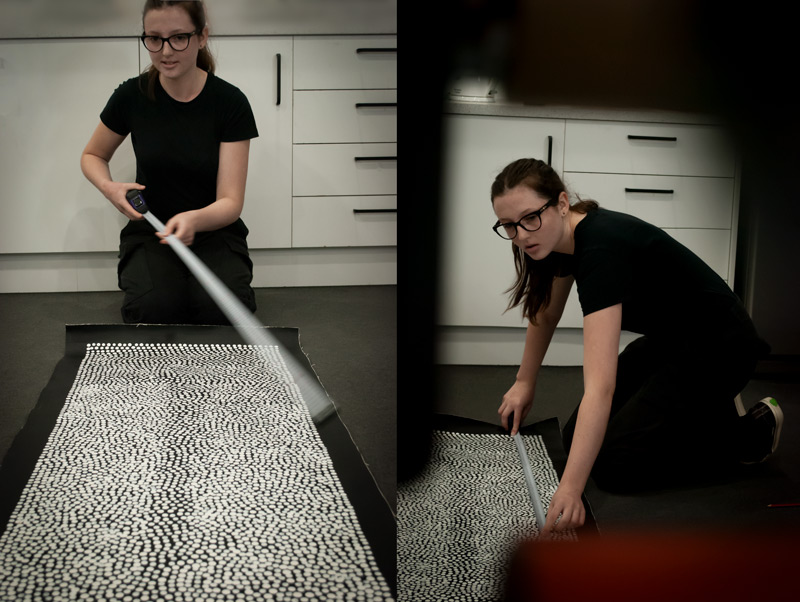
Given the specialized nature of framing Aboriginal art, it is highly recommended to seek professional framing services that have experience in art conservation and an understanding of the cultural sensitivities involved. At Dawsons Framing, we are dedicated to preserving the beauty and integrity of Aboriginal art through expert framing solutions. Our team works with care and respect to ensure that each piece is framed in a way that honors its cultural significance and protects it for generations to come.
Preserving Aboriginal art is not just about protecting a physical object; it is about safeguarding a living tradition, a connection to the past, and a source of inspiration for the future. Through thoughtful framing and conservation practices, we can help ensure that these incredible works of art continue to tell their stories and enrich our understanding of Australia’s rich cultural heritage.