
The Risks of Incorrectly Framing Valuable Artworks: What You Need to Know
When it comes to preserving valuable artwork, framing is far more than just an aesthetic choice. Proper framing not only enhances the visual appeal but also plays a critical role in protecting the piece from environmental damage, degradation, and the passing of time. However, incorrectly framing valuable artworks can lead to disastrous consequences—ranging from discoloration to irreparable physical damage. In this article, we explore the risks associated with incorrect framing and what can be done to avoid these common pitfalls.
1. Exposure to Harmful UV Light
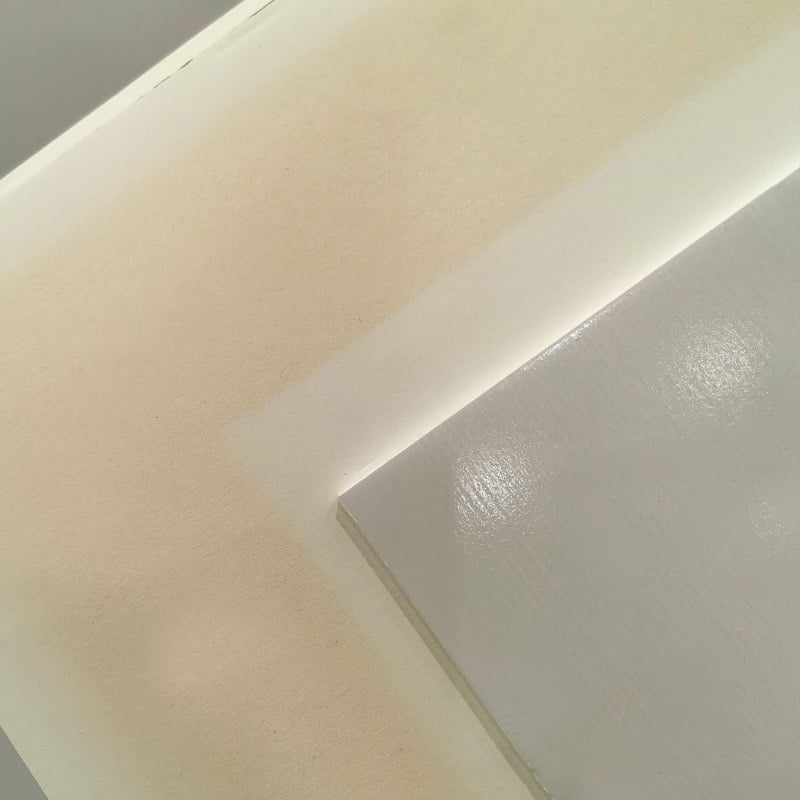
One of the most common mistakes in framing valuable artwork is using the wrong type of glass. Without UV-protective glass or acrylic, artworks can be exposed to harmful ultraviolet (UV) rays, which can cause fading and color degradation over time. Paintings, photographs, and prints can all lose their vibrancy, making it essential to use UV-filtering glass for framing.
Solution:
Always opt for UV-resistant glass or acrylic. This ensures your artwork remains protected from sunlight and other light sources that emit UV rays, which can cause colors to fade significantly.
2. Damage from Acidic Materials
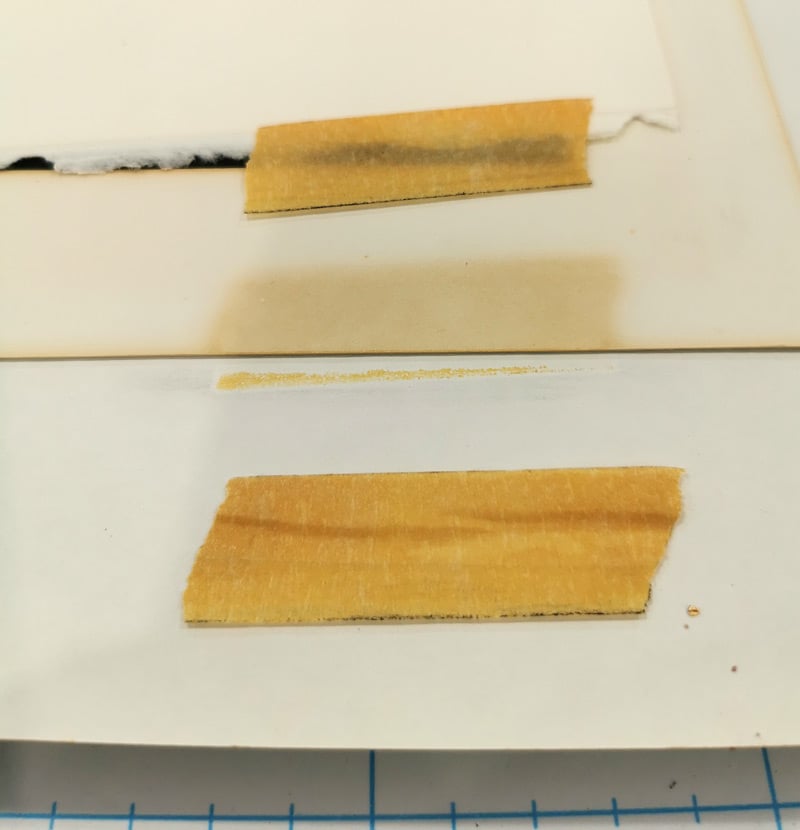
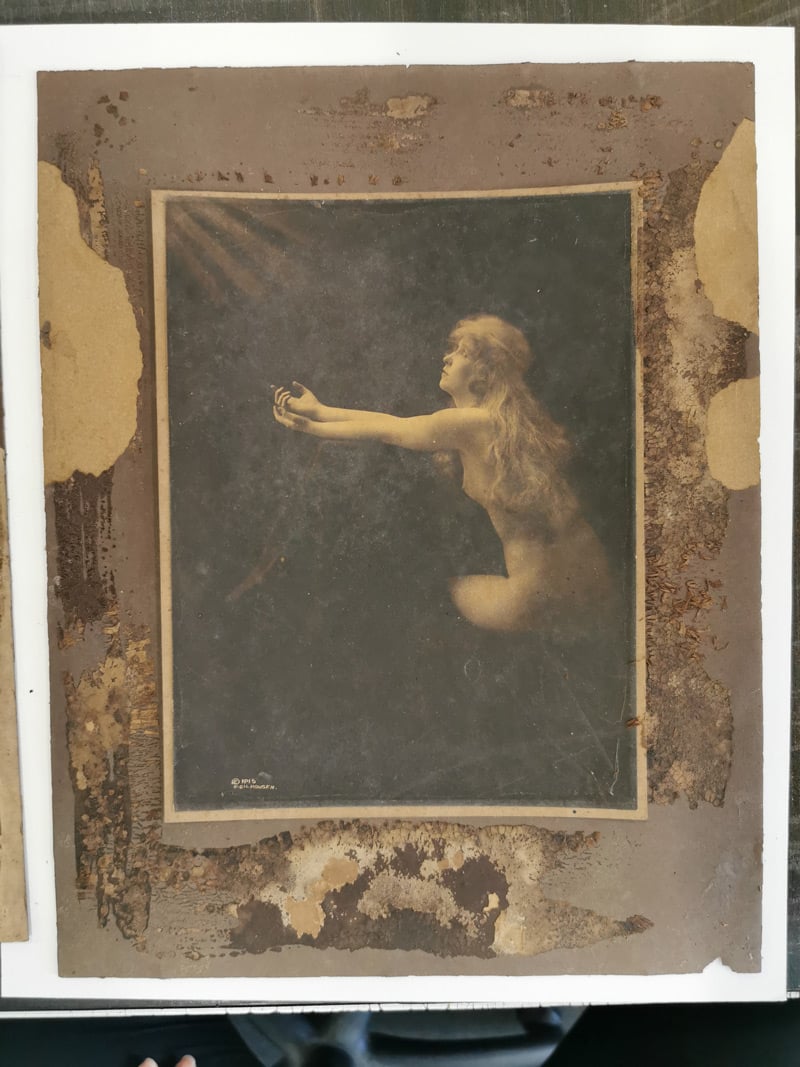
Many low-quality frames are made with materials that contain high levels of acid. Acidic mats, backing, and adhesives can leach into the artwork, leading to yellowing, brittleness, and deterioration of the paper or canvas. This type of damage is usually irreversible and can severely affect both the visual and monetary value of the artwork.
Solution:
Make sure all framing materials are acid-free. Archival-quality mats and backings made from acid-free or museum-grade materials help preserve the artwork over time without causing damage.
3. Moisture and Humidity Issues
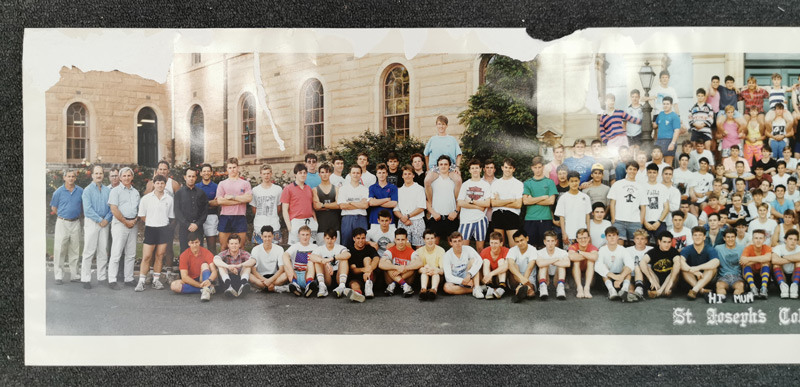
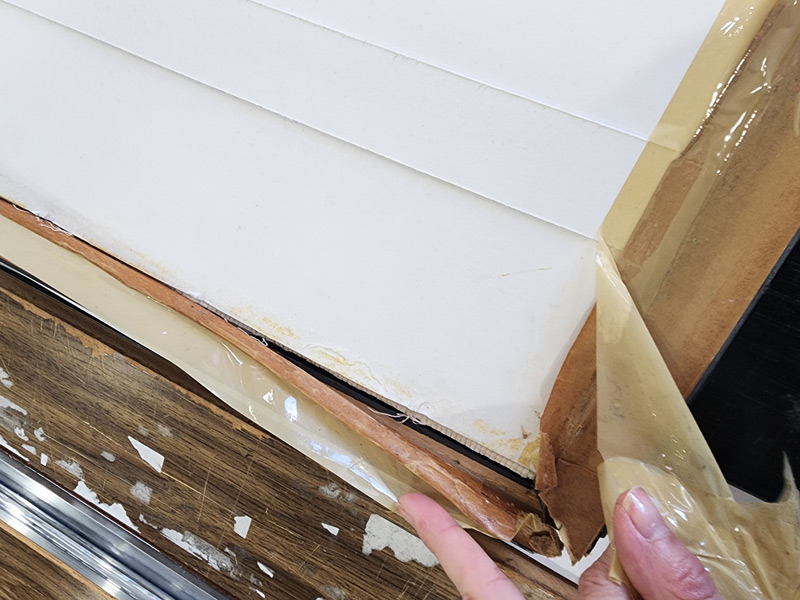
Inadequate sealing and framing can expose valuable artwork to moisture, leading to mold growth, warping, and water staining. In some cases, the artwork may become permanently disfigured or destroyed if exposed to high levels of humidity over a long period.

Solution:
Choose frames with proper sealing mechanisms to keep out moisture and contaminants. Avoid displaying valuable pieces in areas prone to high humidity, such as bathrooms or near windows. For particularly valuable works, consider using climate-controlled environments.
4. Incorrectly framing valuable artwork: Incorrect Mounting Techniques
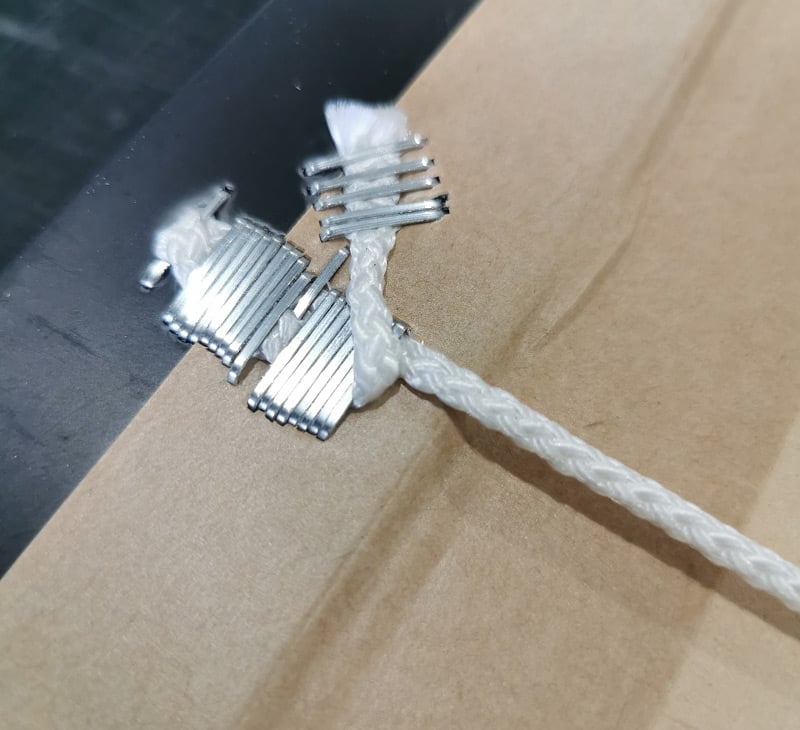
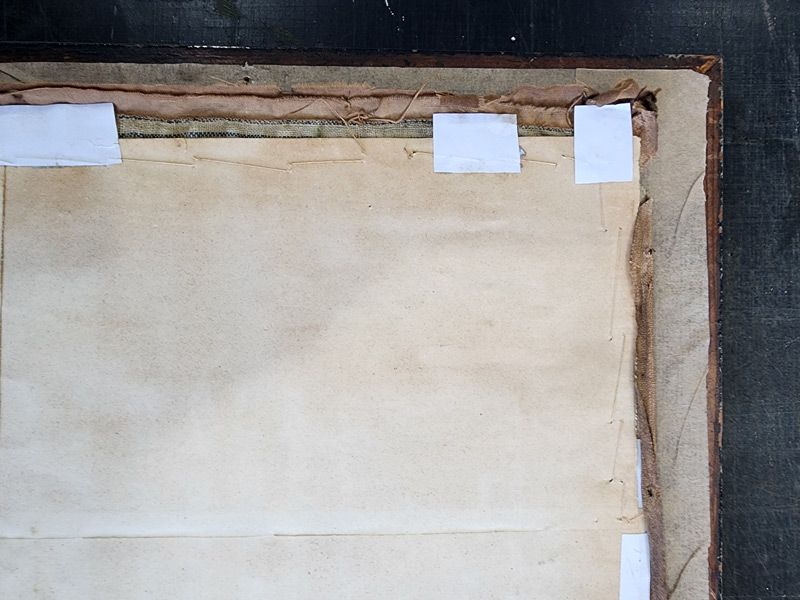
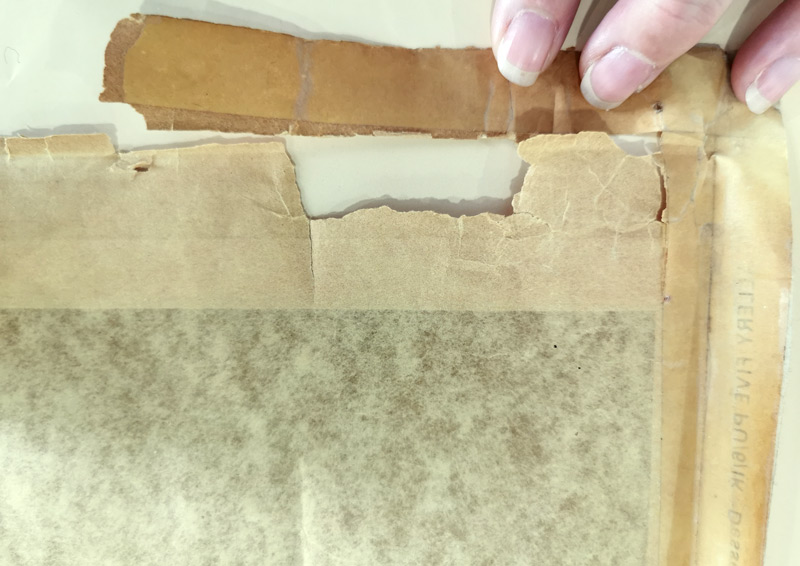
Improperly mounting artwork can cause tears, creases, or warping. Inexperienced framers may use tape or adhesives that can damage the surface of the artwork, especially in the case of delicate materials like paper. Some mounting methods may also restrict the natural expansion and contraction of the artwork due to temperature and humidity changes, leading to stress on the material.
Solution:
Use archival-quality mounting techniques, such as hinges made of Japanese paper or other conservation-friendly methods. These ensure that the artwork remains securely fastened without causing long-term damage.
The Risks of Incorrectly Framing Valuable Artwork: How to Protect Your Investment
5. Lack of Spacing Between Artwork and Glass
When the glass is placed directly on the artwork, there is a high risk of condensation forming, especially in humid environments. This can lead to moisture buildup, mold growth, and discoloration of the artwork. Additionally, the pressure from the glass can damage the surface of the piece, particularly for fragile materials like pastels, charcoal, or pencil drawings.
Solution:
Use a spacer or matting to create a gap between the artwork and the glass. This will prevent direct contact, reducing the risk of moisture damage and ensuring the artwork remains in pristine condition.
6. Physical Stress from Incorrect Frame Size
Choosing a frame that is too tight or too loose for your artwork can cause physical stress. A frame that’s too small may compress the artwork, while a frame that’s too large can cause it to shift, leading to damage over time.
Solution:
Ensure your frame is sized perfectly for the artwork. Custom framing is often the best option for valuable pieces, as it ensures that the frame is tailored to the specific dimensions and needs of the artwork.
7. Dust and Debris
Frames that are not properly sealed can allow dust, debris, and even insects to enter, leading to damage on the artwork’s surface. This is particularly concerning for artworks on paper, which can be vulnerable to surface abrasions and staining.
Solution:
Use a professional framer who ensures that the artwork is sealed tightly, protecting it from external contaminants. A dust-proof backing and sealant should always be part of the framing process.
Conclusion: Incorrectly framing valuable artwork: Trust the Experts
Framing valuable artworks is not a task to be taken lightly. Incorrect framing can result in permanent damage, loss of value, and aesthetic decline. To protect your investment, it’s essential to work with experienced framers such as the team at Dawson’s Framing who understand the materials and techniques needed to preserve your artwork for generations to come.
At Dawsons Framing, we specialize in custom framing solutions that protect and enhance your valuable pieces. From UV-filtering glass to museum-grade materials, we offer bespoke framing options tailored to each artwork’s needs. Don’t risk the future of your valuable collection—choose professional, conservation-grade framing every time.