
When entering an art competition, the presentation of your artwork is just as important as the artwork itself. A well-presented piece can enhance its impact and increase its chances of standing out among other entries. Framing, mounting, and the overall display of your art require careful consideration to meet the competition’s requirements and impress the judges.
Here are key factors to consider when framing and presenting your artwork for competition:
1. Adhering to Competition Guidelines
Each art competition may have specific guidelines about how artwork should be framed, mounted, and displayed. These can range from requirements about frame size, material, and color to restrictions on hanging hardware. Before you start, make sure to carefully read and understand the rules for submission. This will ensure that you don’t invest time and money in a frame or presentation style that is disqualified.
External Link: Check the guidelines for submission for competitions like the Archibald Prize.

2. Choosing the Right Frame
The right frame can either complement or detract from your artwork. When choosing a frame, consider the style and content of your piece:
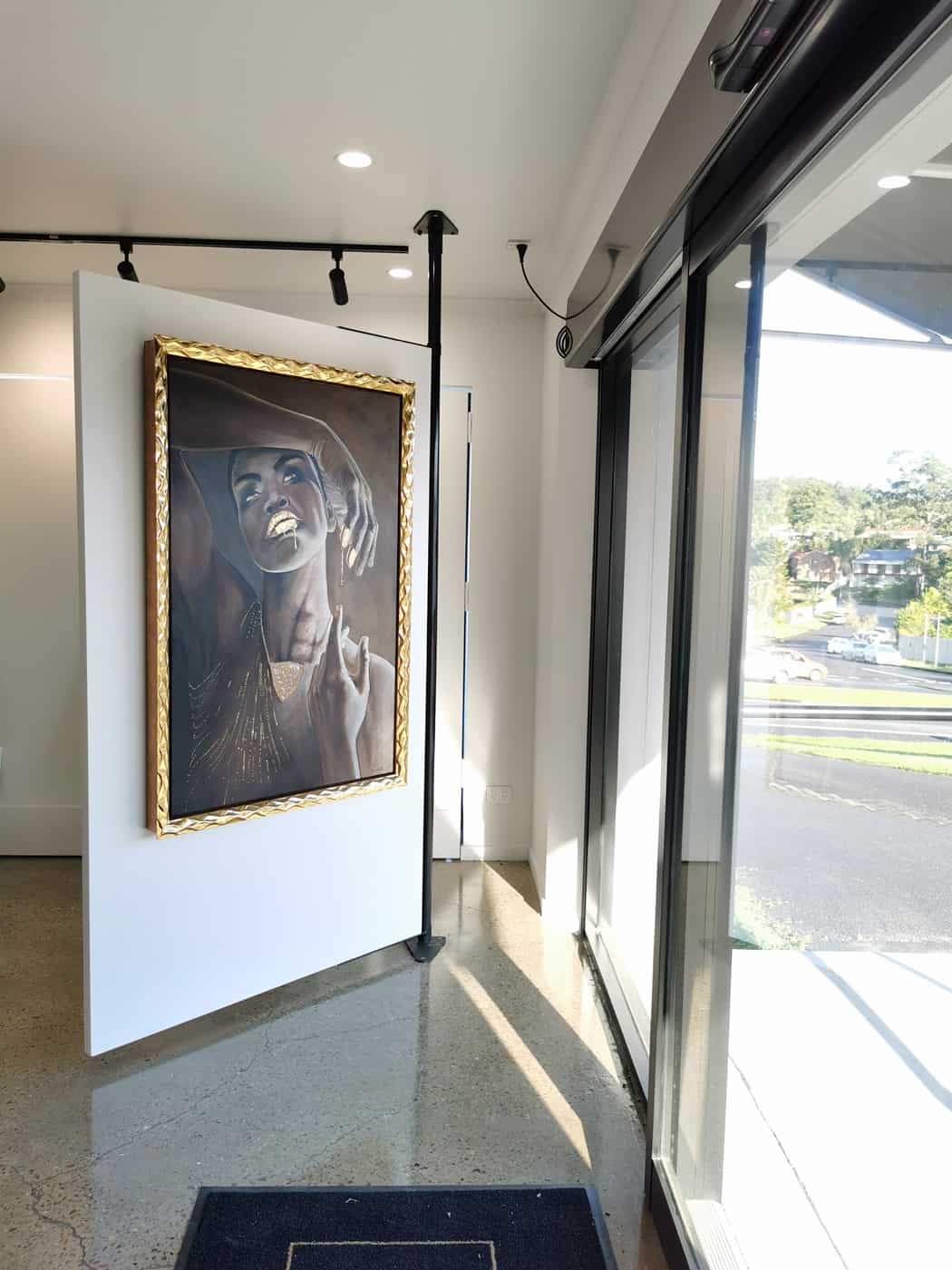
- Traditional vs. Contemporary: A classic, ornate frame may be best for historical or classical art, while a sleek, minimalist frame might suit modern or abstract works.
- Color and Material: A neutral frame color (like black, white, or natural wood) generally works best for most artworks, allowing the piece to shine without overwhelming it. However, some vibrant pieces may benefit from a more dynamic frame that enhances the overall look.
For example, if your artwork features bold, vivid colors, a neutral frame can help ensure the focus remains on the art itself. Conversely, if your piece is more subdued, a bold frame can add visual interest and complement the tone.

3. Matting and Mounting
Matting serves as a border between your artwork and the frame, providing visual space and making the artwork stand out. In competitions, the matting style can affect the overall perception of your piece:
- Neutral Mats: A white or off-white mat is the most common and helps to elevate your artwork without competing with it.
- No Matting: Some pieces, especially those with textures or mixed media, may benefit from direct mounting to create a more seamless and integrated presentation.
Ensure the mat and mount are made from acid-free materials to avoid degradation of the artwork over time.
External Link: Learn about acid-free materials and proper matting at Conservation by Artcare.

4. Protecting Your Artwork
Depending on the medium of your artwork, protection is essential. For works on paper, including watercolors or prints, using a glass or acrylic glazing option is crucial to protect from dust, UV damage, and physical wear. Acrylic glazing is lighter and less prone to shattering, while glass is more durable and offers better clarity.
Make sure your frame is equipped with appropriate backing to ensure the artwork stays in place and is protected from environmental factors such as moisture.

5. Hanging and Displaying
Proper hanging of your artwork is crucial to ensure it is displayed at its best and is safe during the exhibition. Use professional hanging hardware like D-rings and picture wire to avoid any damage to the frame or the artwork. If the competition allows for installation art, make sure the installation is stable and secure.
When placing your artwork, consider the height at which it will be viewed. The center of the artwork should generally be at eye level for optimal viewing.
External Link: For more tips on framing and hanging, visit The Art of Hanging Art.

6. Presentation and Aesthetics
When presenting your artwork, think about how the overall presentation aligns with the piece’s theme. The frame should not overshadow the artwork; rather, it should enhance it. If the competition is themed, consider how your choice of frame, mat, and presentation can help emphasize the message of the work.
Also, ensure that your piece is clean and free from any fingerprints or marks before submission. Presentation plays a huge role in first impressions and can significantly impact how your artwork is perceived by judges and the audience.
External Link: Explore tips on artwork presentation at Art Exhibitions Australia.
Conclusion
Framing, mounting, and presenting your artwork for competition requires careful thought and attention to detail. By adhering to competition guidelines, choosing the right frame and matting, protecting your piece, and presenting it with precision, you increase your chances of leaving a lasting impression on judges and showcasing your work in the best possible light. Remember, presentation is not just about aesthetics; it is a reflection of your professionalism and commitment to your art.
External Link: For more tips on presenting artwork, visit the Art Institute of Chicago.