
The Most Damaging Materials to Your Artwork in Picture Framing
When it comes to framing artwork, the materials used in the process are critical for preserving both its beauty and value. While a frame may enhance the aesthetic appeal of your artwork, certain materials can silently degrade and destroy it over time. From acidity to improper adhesives, the wrong choices can cause irreversible damage. In this article, we’ll dive into the most harmful materials used in picture framing and explain why acid is the biggest enemy of any valuable artwork.
1. Acidic Materials: The Silent Destroyer
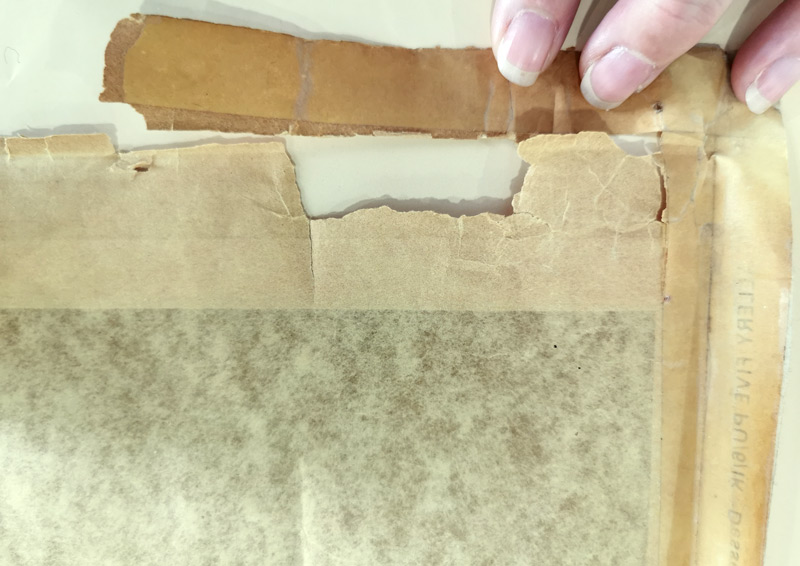
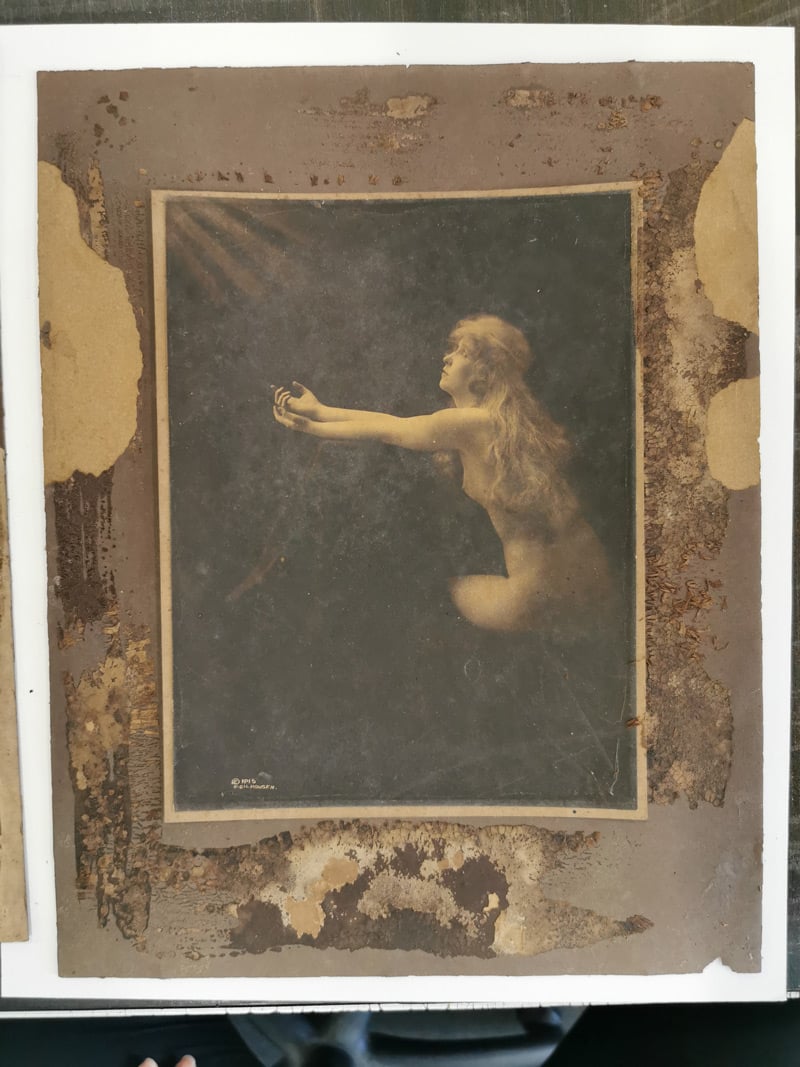
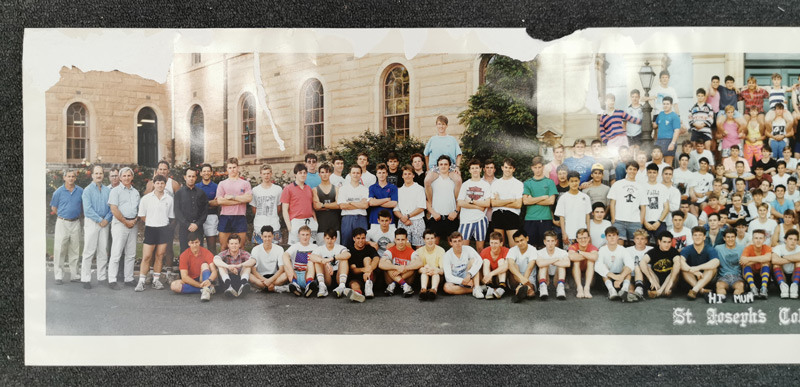
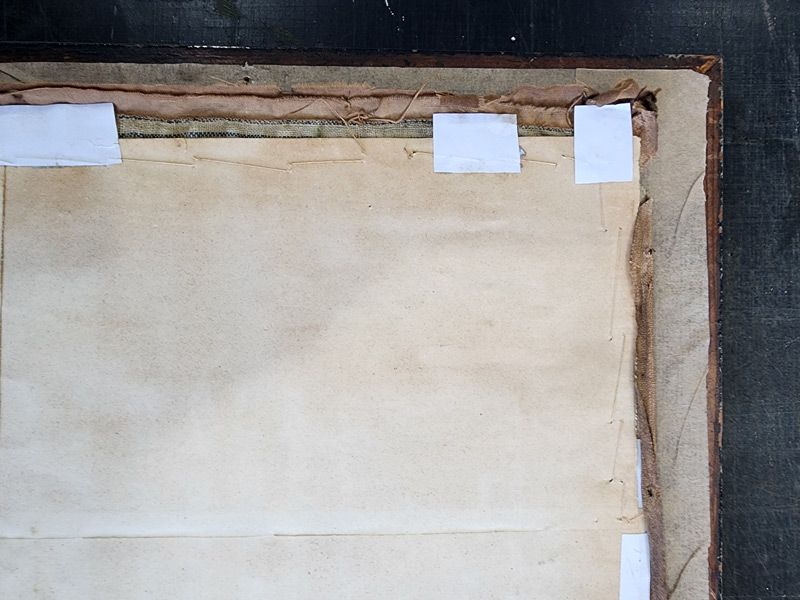
One of the most damaging elements in picture framing is the use of acidic materials. Acid is particularly harmful to paper-based artworks, photographs, and textiles. Many commercially available frames are made with cardboard, wood pulp mats, or adhesives that contain high levels of acid. Over time, this acidity seeps into the artwork, causing yellowing, brittleness, and eventual deterioration.
Why Acidic Materials are the Enemy
Acid causes a chemical reaction that weakens the fibers in paper or textiles, leading to discoloration and fragility. In extreme cases, acidic materials can cause artwork to crumble or break apart, rendering it irreparable. This is especially common in older, more fragile pieces. Even if the damage starts small, over time, it becomes highly visible, affecting the artwork’s visual appeal and value.
Key Types of Acidic Materials:
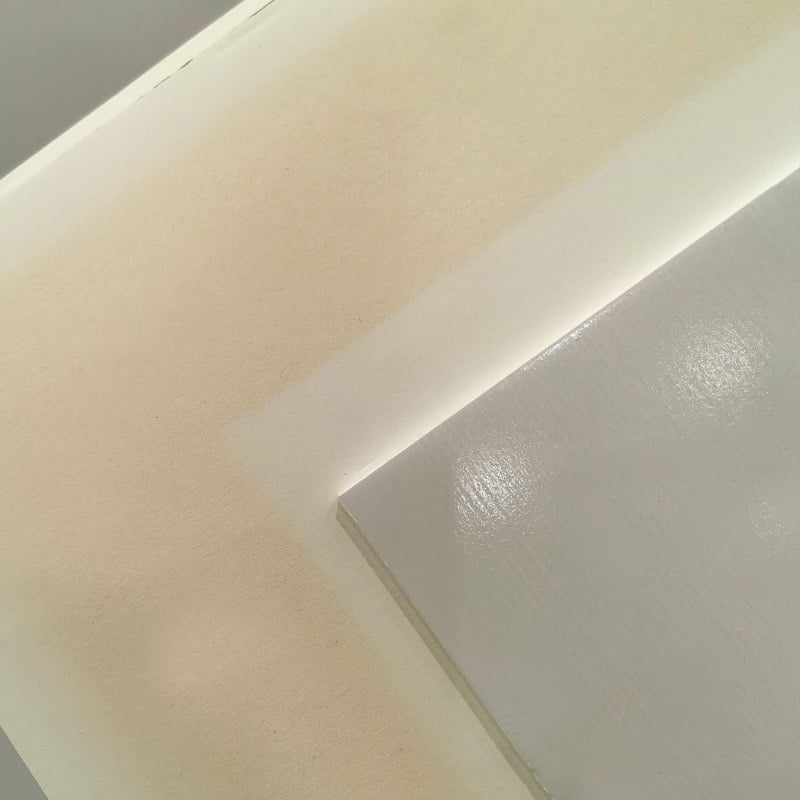
- Cheap mats and backing boards: Often made from wood pulp or cardboard, these materials contain lignin, which is a primary source of acid.
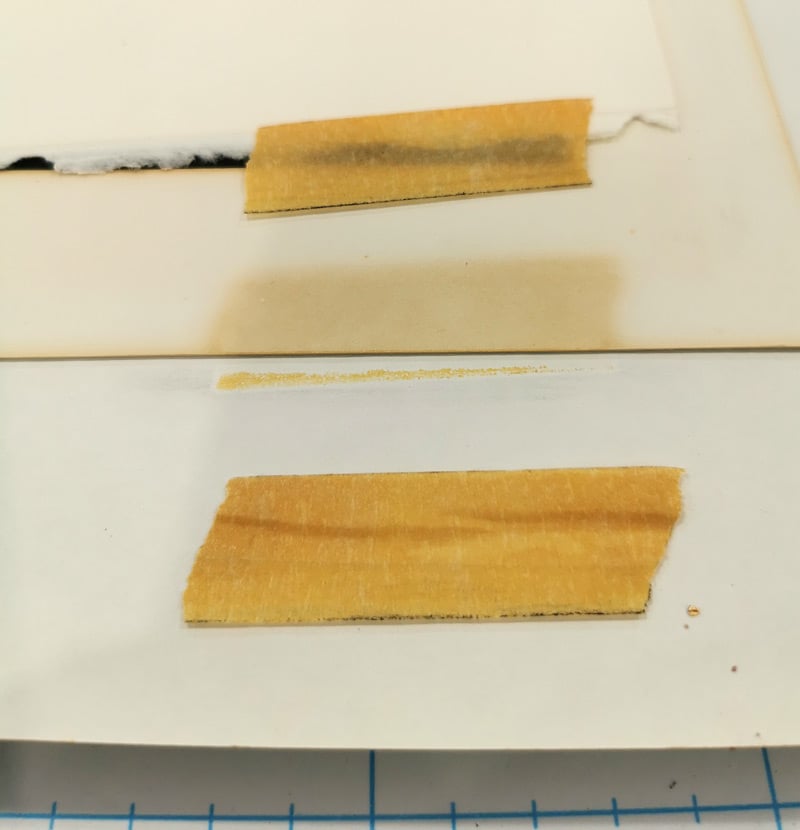
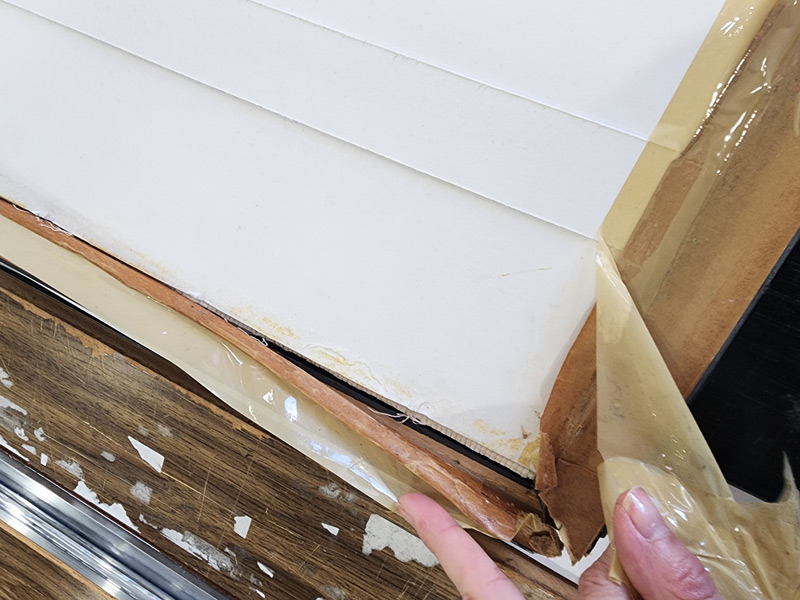
- Non-archival tapes and adhesives: Using regular tape or glue on your artwork can introduce acid that damages the surface.
- Acidic glass: Certain types of glass and acrylic sheets can contribute to long-term acid damage if they are not specifically designed for conservation.

Solution:
Opt for acid-free or archival-quality materials in all aspects of framing. Museum-grade mats, acid-free adhesives, and UV-protective glass will preserve the integrity of your artwork, ensuring it remains in pristine condition for years to come.
2. Non-UV Protective Glass: The Fading Factor
Glass or acrylic sheets that lack UV protection are another major concern for framed artwork. Over time, exposure to sunlight and artificial lighting can cause the colors in your artwork to fade and deteriorate. Pigments, dyes, and inks are especially vulnerable to light damage.
Without UV protection, even indirect sunlight can fade delicate materials such as watercolors, photos, and fabric-based artworks. The fading process is often slow and subtle, but once it happens, the damage is permanent.
Solution:
To safeguard your artwork, always use UV-protective glass or acrylic in your frames. This type of glass filters out up to 99% of harmful UV rays, preventing color fading and degradation.
3. Inappropriate Mounting Adhesives: Damage on the Surface
The way your artwork is mounted can significantly affect its long-term preservation. Using improper adhesives like regular tape, masking tape, or non-archival glues can lead to surface damage. Over time, these adhesives can become brittle, discolored, and may even leave permanent stains on the artwork.
In some cases, adhesives can cause the artwork to stick to the glass or backboard, making it almost impossible to remove without damaging the piece.
Solution:
Always use archival-quality, acid-free mounting tape or adhesives. Conservation methods such as hinge mounting with Japanese paper or other reversible, non-invasive techniques ensure the artwork stays intact and can be easily removed if necessary.
4. Moisture-Trapping Backing Boards
Improperly sealed frames can trap moisture inside, leading to mold growth, staining, or even warping of the artwork. Backing boards made from cheap, moisture-sensitive materials like particle board or cardboard are particularly harmful. These materials can absorb humidity from the surrounding environment, putting your artwork at risk of moisture damage.
Solution:
Choose backing boards made from moisture-resistant, archival materials. Ensure that the frame is sealed correctly to protect your artwork from fluctuating humidity levels.
The Most Damaging Materials to Your Artwork in Picture Framing
5. Wooden Frames Without Protective Seals
Wooden frames can give your artwork a classic, elegant appearance, but untreated wood can release harmful gases and acids that deteriorate the artwork over time. The natural lignin in wood can contribute to acidification, while certain varnishes and finishes may off-gas harmful chemicals.
Solution:
If you prefer wooden frames, make sure they are sealed with a protective barrier. A sealing layer can prevent off-gassing and provide a safer environment for your artwork. Alternatively, you can opt for frames made from acrylic or metal, which do not release harmful chemicals.
Why Acid Materials Are the Enemy of Your Art
Acidic materials pose the greatest threat to any framed artwork, especially for pieces made of paper, textiles, or photographs. Acid doesn’t just yellow the surface—it actively breaks down the fibers, weakening the structure of the artwork itself. Once acid damage begins, the deterioration process is irreversible, which can drastically reduce the aesthetic and monetary value of the piece.
Even if the damage isn’t immediately noticeable, over time, the artwork will become discolored, brittle, and fragile. If you’re framing valuable or sentimental pieces, it’s essential to choose acid-free materials to protect your investment.
Conclusion: How to Protect Your Artwork from Damage
To safeguard your artwork from the damaging effects of acidic materials, UV exposure, moisture, and poor adhesives, always opt for museum-quality, acid-free framing materials. Ensuring that every element of your frame—from the matting to the backing and glass—meets archival standards is the best way to preserve your artwork’s integrity and value.
At Dawsons Framing, we specialize in using conservation-grade, acid-free materials that protect your artwork from environmental hazards. From UV-filtering glass to moisture-resistant backings, our custom framing solutions are designed to preserve the beauty and longevity of your artwork.
Keywords: damaging framing materials, acid-free framing, UV-protective glass, archival framing, preserving artwork, picture framing mistakes, Dawsons Framing, acid damage, artwork protection, custom framing solutions.